


Markets have largely been shrugging off the escalating crisis in the Red Sea. Not anymore.
The U.S. and the U.K. carried out strikes on Houthi rebel sites in Yemen late Thursday. It was in response to a series of attacks on vessels by the Iran-backed militants in recent months.
The goal is to protect the free flow of international commerce as the Red Sea is a key shipping route between Asia and Europe. For now, it has heightened fears of a wider conflict in the Middle East.
Oil prices, which have held at low levels over the past month despite the tensions, surged close to 4% early Friday. The price of gold also rose as the geopolitical escalation heightened investors’ appetite for safe havens.
The oil spike is particularly problematic for the Federal Reserve’s battle against inflation. The timing isn’t great, either—consumer prices accelerated to 3.4% in December, data Thursday revealed.
Advertisement – Scroll to Continue
Energy prices were partly to blame for that uptick and additional pressures won’t help bring inflation back down. It’s a further blow to hopes for a first rate cut in March.
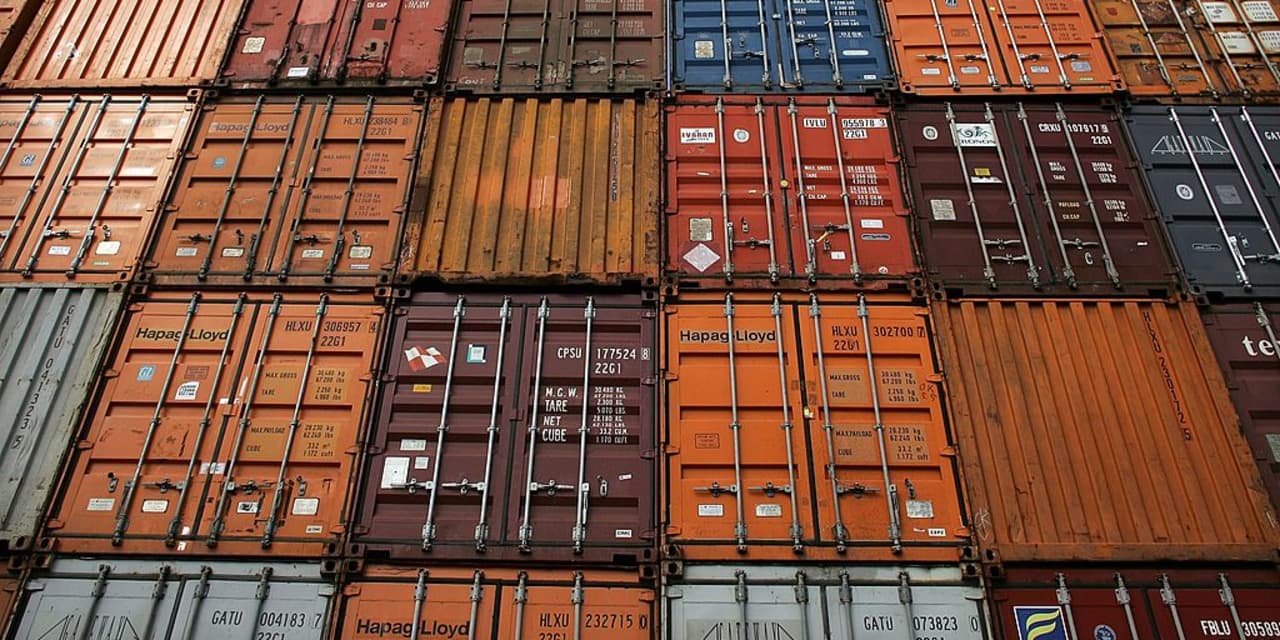
It’s not just the impact on markets that’s being felt. The implications for global supply chains are also beginning to take greater effect as shipping companies have been forced to take longer routes to avoid the region.
said it would halt production at its Berlin factory for two weeks because the crisis is causing disruption to transport ships, leaving the electric-vehicle maker with a shortage of components.
Advertisement – Scroll to Continue
The situation in the Red Sea is one that global markets can no longer ignore.
***
U.S.-Led Coalition Strikes Houthi Rebels
Oil prices surged early Friday, with Brent crude topping $80 a barrel for the first time in almost three weeks, after the U.S.-led coalition’s airstrikes in Yemen.
Advertisement – Scroll to Continue
- The strikes were conducted by U.S. and British forces and supported by Australia, Bahrain, Canada, and the Netherlands. The coalition said they were intended to disrupt the Houthis’ ability to threaten global trade in the Red Sea.
- “I will not hesitate to direct further measures to protect our people and the free flow of international commerce as necessary,” U.S. President Joe Biden said in a White House statement.
- Iran’s navy said Thursday that it had seized an oil tanker off the coast of Oman. The vessel was once a part of a dispute between the U.S. and Iran that ended with the U.S. seizing one million barrels of Iranian oil in it.
- The U.K. government fears ongoing disruption to cargo traffic could cause another energy shock, the BBC reported Friday. Almost 15% of global seaborne trade passes through the Red Sea, including 12% of global seaborne oil, the White House said.
What’s Next: The major concern continues to be a significant escalation of violence in the Middle East amid tensions provoked by the Israel-Hamas conflict. The Iran-backed Houthi rebels previously attacked oil infrastructure in Saudi Arabia.
***
Inflation Report Dims Hopes for March Fed Rate Cut
The taming of inflation hit a snag in December as the pace of gains in consumer prices accelerated from November. The consumer price index reading is evidence the Federal Reserve’s fight to bring back price stability isn’t over and could spoil investors’ hopes for early interest rate cuts.
- CPI climbed 3.4% from one year earlier. While that is down significantly from the 6.5% recorded in December 2022, it exceeded expectations. The headline index rose 0.3% from November, driven largely by rising housing prices.
- Thursday’s report shouldn’t cause the Federal Reserve to hurry to cut rates, and the numbers keep the door open for the economy to achieve a soft landing, according to Goldman Sachs Asset Management’s Alexandra Wilson-Elizondo.
- Cleveland Fed President Loretta Mester was cool on the idea of a rate cut coming as soon as March. She told Bloomberg television that March is probably too early and that the decision will be driven by how the economy evolves. The Fed wants inflation to head back to a 2% annual rate.
- While some food prices have come down, ‘eggflation’ is on the rise again thanks to the latest outbreak of bird flu. The index tracking egg prices jumped 8.9% in December from the previous month following smaller increases in November and October.
…
Read More: Yemen Attack Heightens Market Risks. Why the Fed Will Also Be on Alert.