


In 2000, Taiwan ceased all coal production, putting several coal mining facilities out of use. While the industry had expanded in the 19th century, output had been small, amounting to around 7000 metric tonnes per month from four coal pits in the country. Today, there are almost 400 retired coal mines in Taiwan, of which one in New Taipei has been converted into the Taiwan Coal Mine Museum, while one in Houtong is now a ‘cat village.’ As afterlives of industrial infrastructure go, there could be worse fates for the structures. A recent project by Taipei-based Divooe Zein Architects similarly transforms a logistical facility for the Chungyi Coal Mine in Sanxia into a recreational centre called Mineless.
-
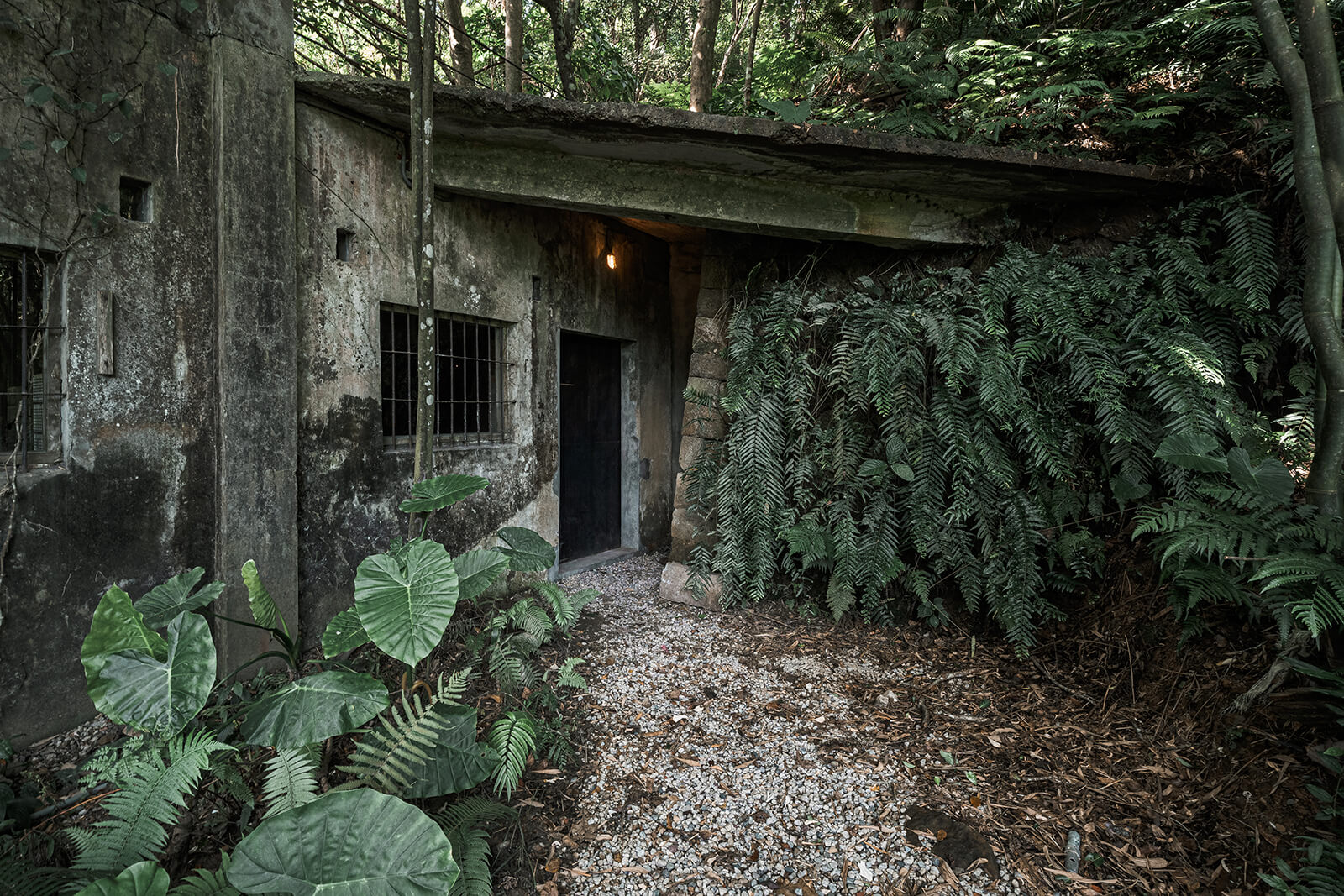
The entrance to the mining facility was among the structures that were retained and refurbished Image: Courtesy of Divooe Zein Architects -
![The project converts three buildings on site to accommodate recreational functions | Mineless Heritage Restoration | Divooe Zein Architects | Taiwan | STIRworld]()
The project converts three buildings on site to accommodate recreational functions Image: Courtesy of Divooe Zein Architects
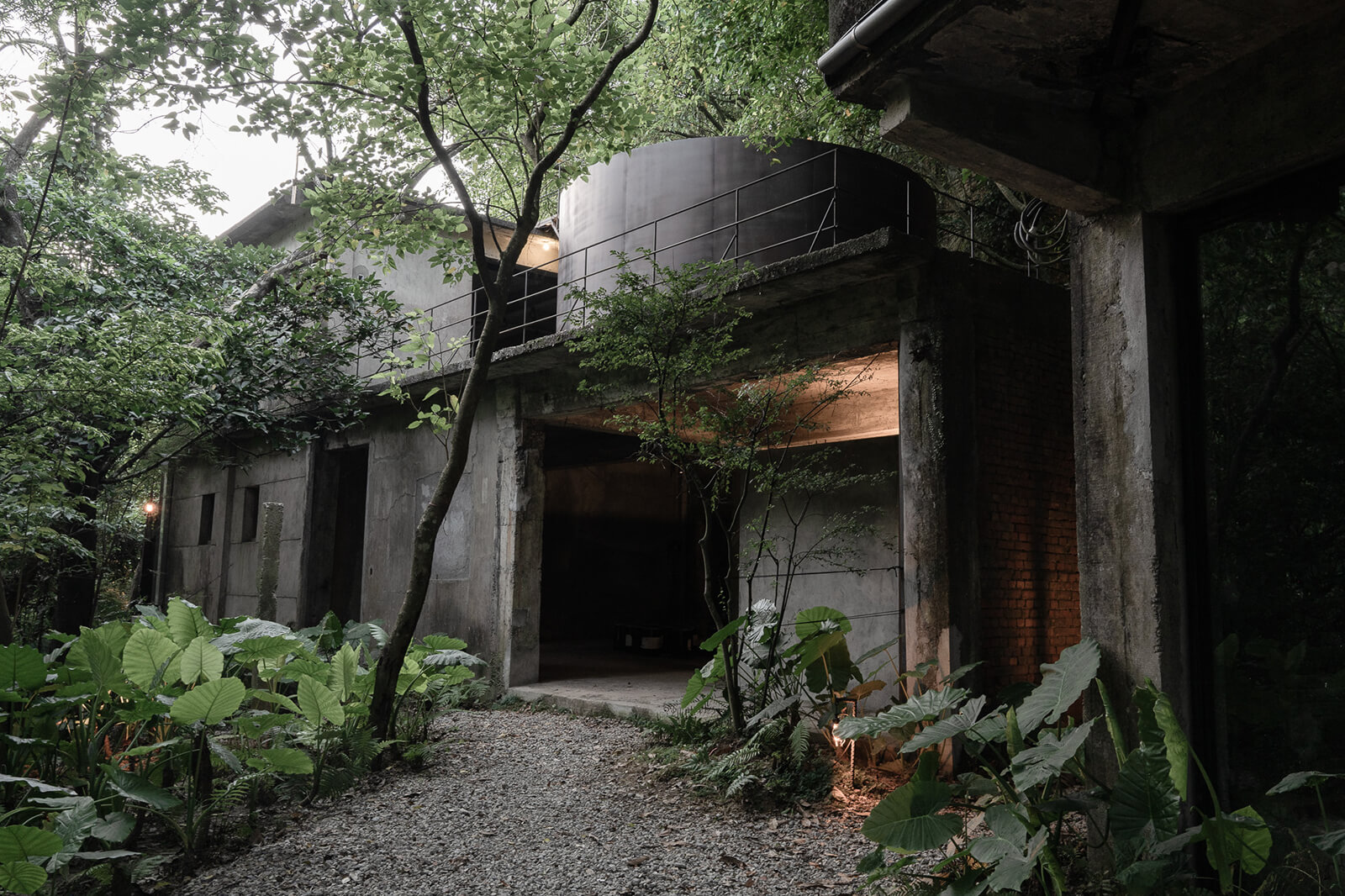
Nestled in the forests of the district, away from the city, the centre becomes a space for visitors to relax, playing up the aesthetic of the former mining spaces with renewed vigour. The restoration project plays up the idea of the building’s former functions; which served as a bathhouse. The refurbishment of the public architecture, scattered within the terrain was the result of extensive research and analysis with preservation efforts reorganising and redefining the spaces. The approach reflects the architecture studio’s holistic approach to design that considers the building, surrounding environment, perception and other factors.
-
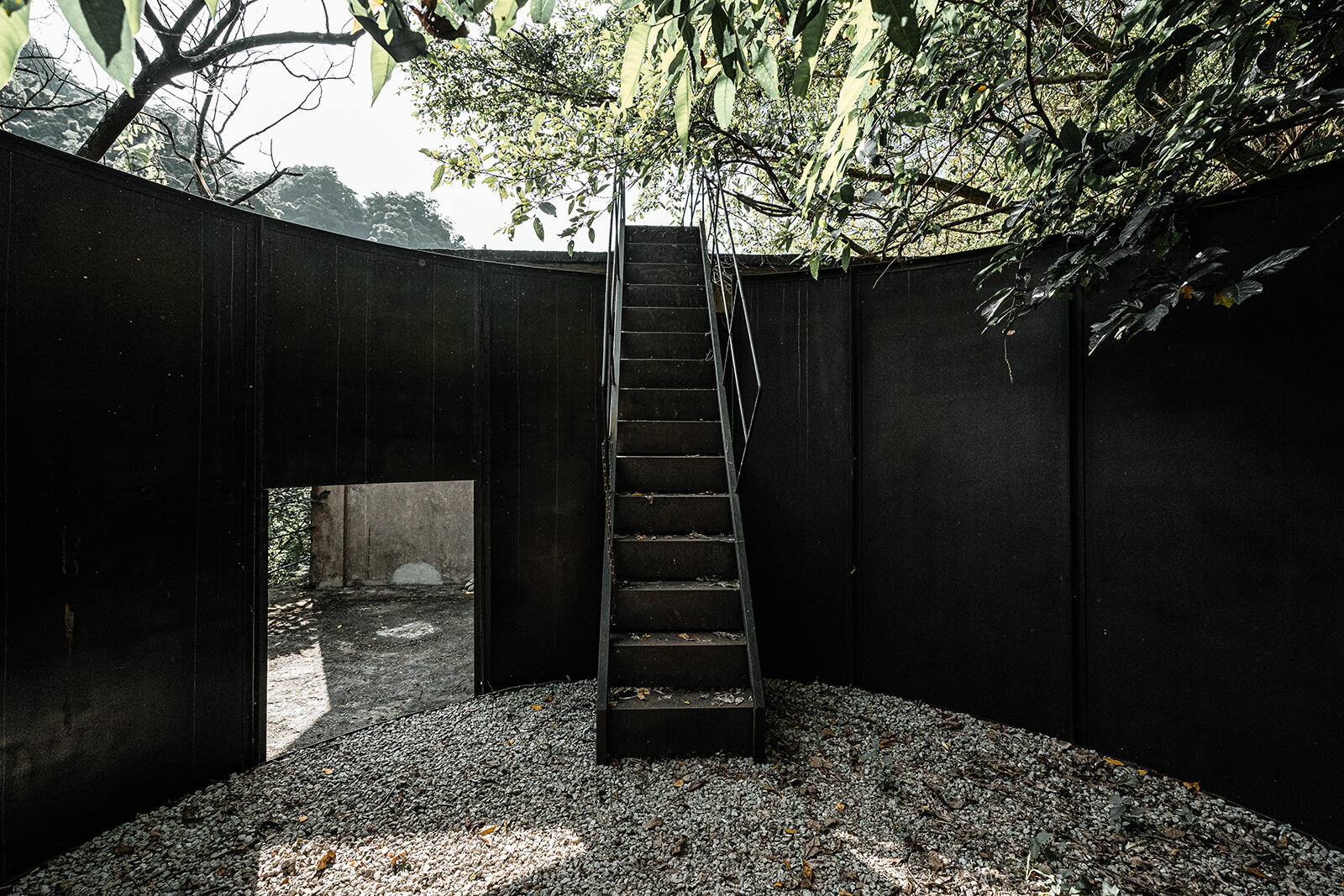
A view of the restored landscape feature Image: Courtesy of Divooe Zein Architects -
![The interiors were deliberately left unfinished to give the space the feeling of a ruin | Mineless Heritage Restoration | Divooe Zein Architects | Taiwan | STIRworld]()
The interiors were deliberately left unfinished to give the space the feeling of a ruin Image: Courtesy of Divooe Zein Architects -
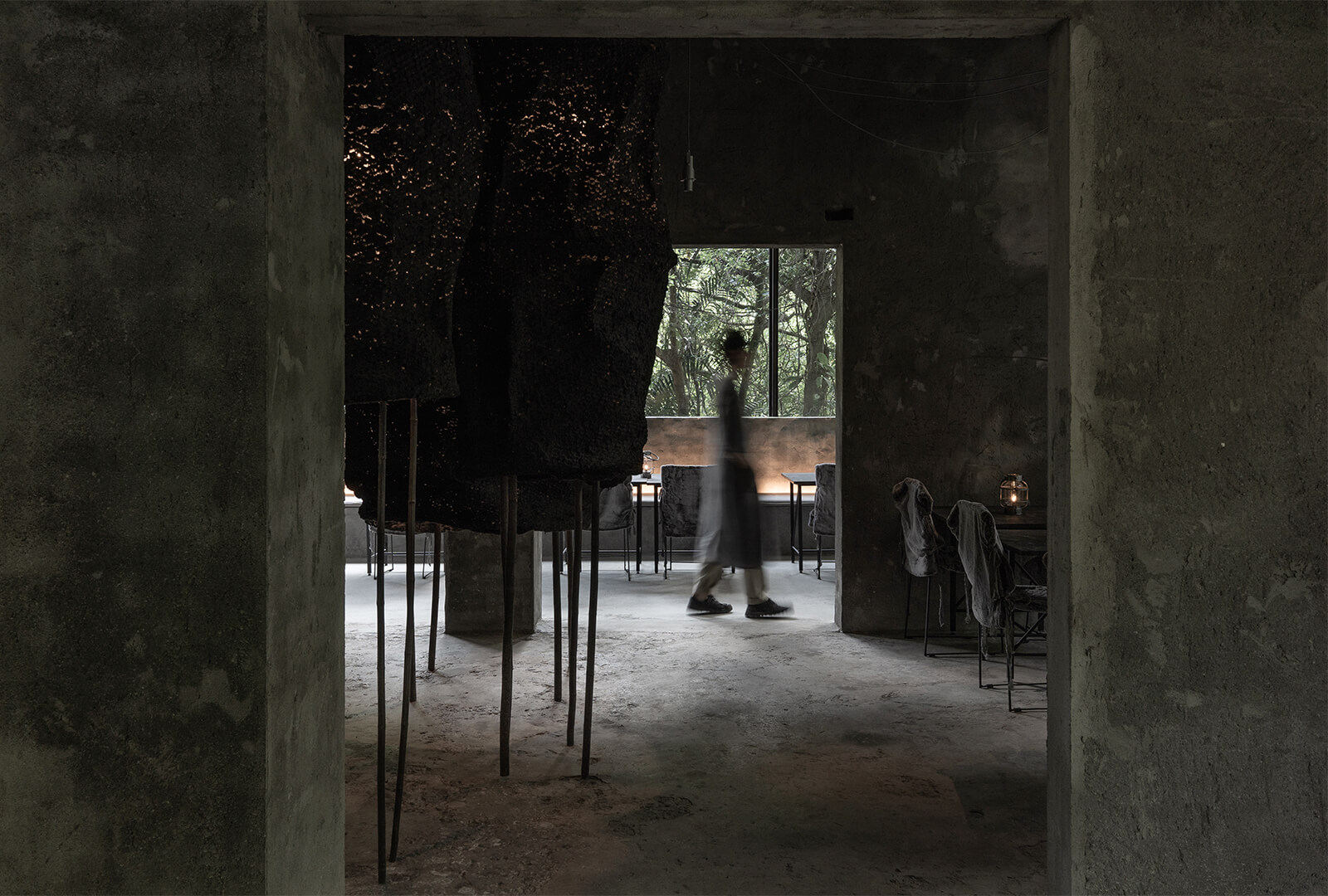
A view of the interiors Image: Courtesy of Divooe Zein Architects
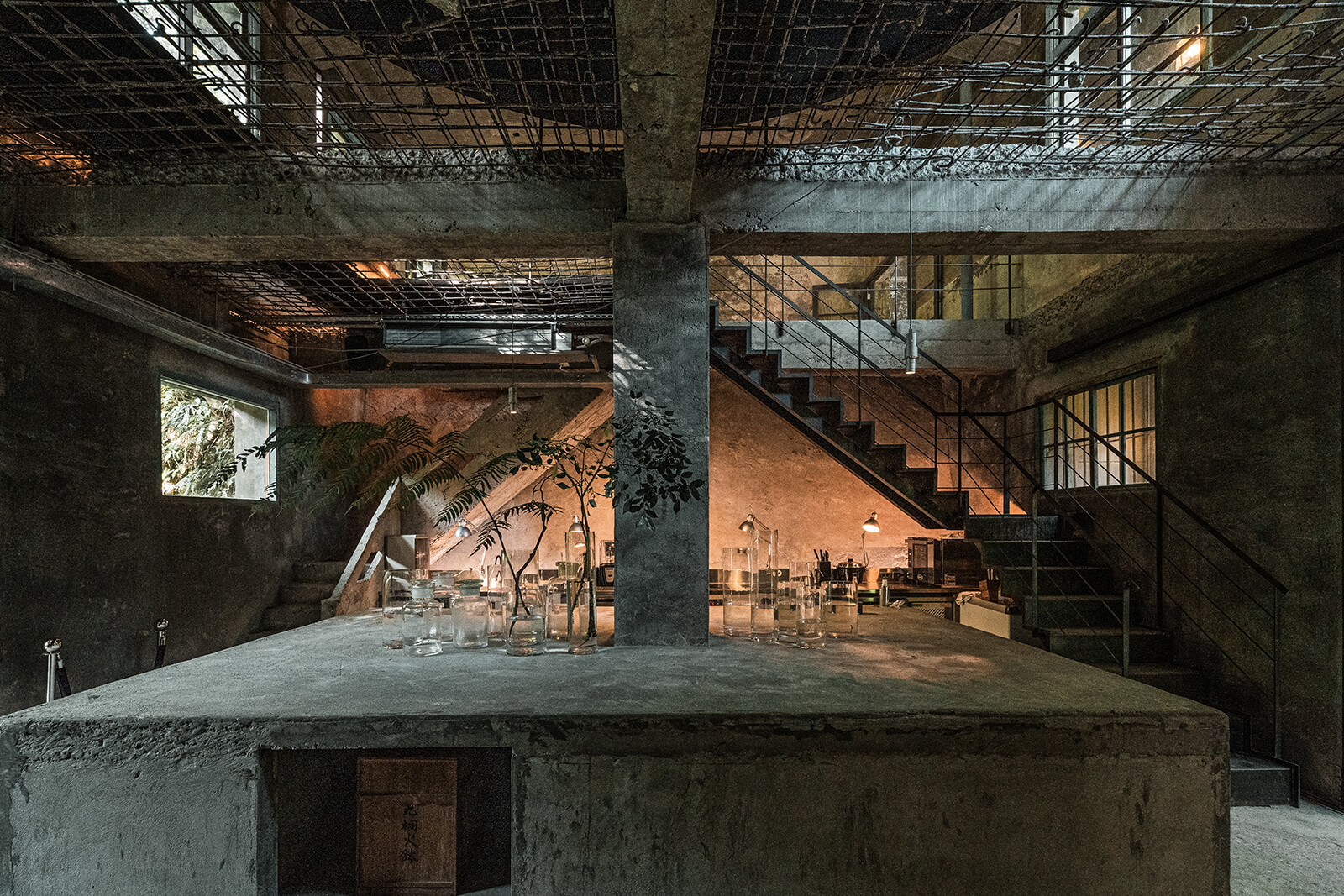
The original structures of the mining facility, including the administrative offices, remnants of the Japanese colonial era, a crane base, coal washing areas, miner’s dormitories, a cafeteria, and a bathhouse were transformed and repurposed into spaces that could house the functions of a recreational architecture. The functions in the “preserved remnants” of the industrial buildings include a wild herb tea shop, a small theatre, a natural herb tea aroma room, an art gallery, a grand hall for meditation, and a seating area connected to the landscaping; all meant to redistribute function and help create new meaning. Architecture has continuously grappled with its seeming permanence, the vestiges of former eras dotting the natural landscape. Perhaps the most conspicuous will remain the vestiges of industry, the concrete structures symbolising an age of excess extraction. As we move away from such delusions, the question remains of utilising these architectures in some form, as has been the case for many recent adaptive reuse projects.
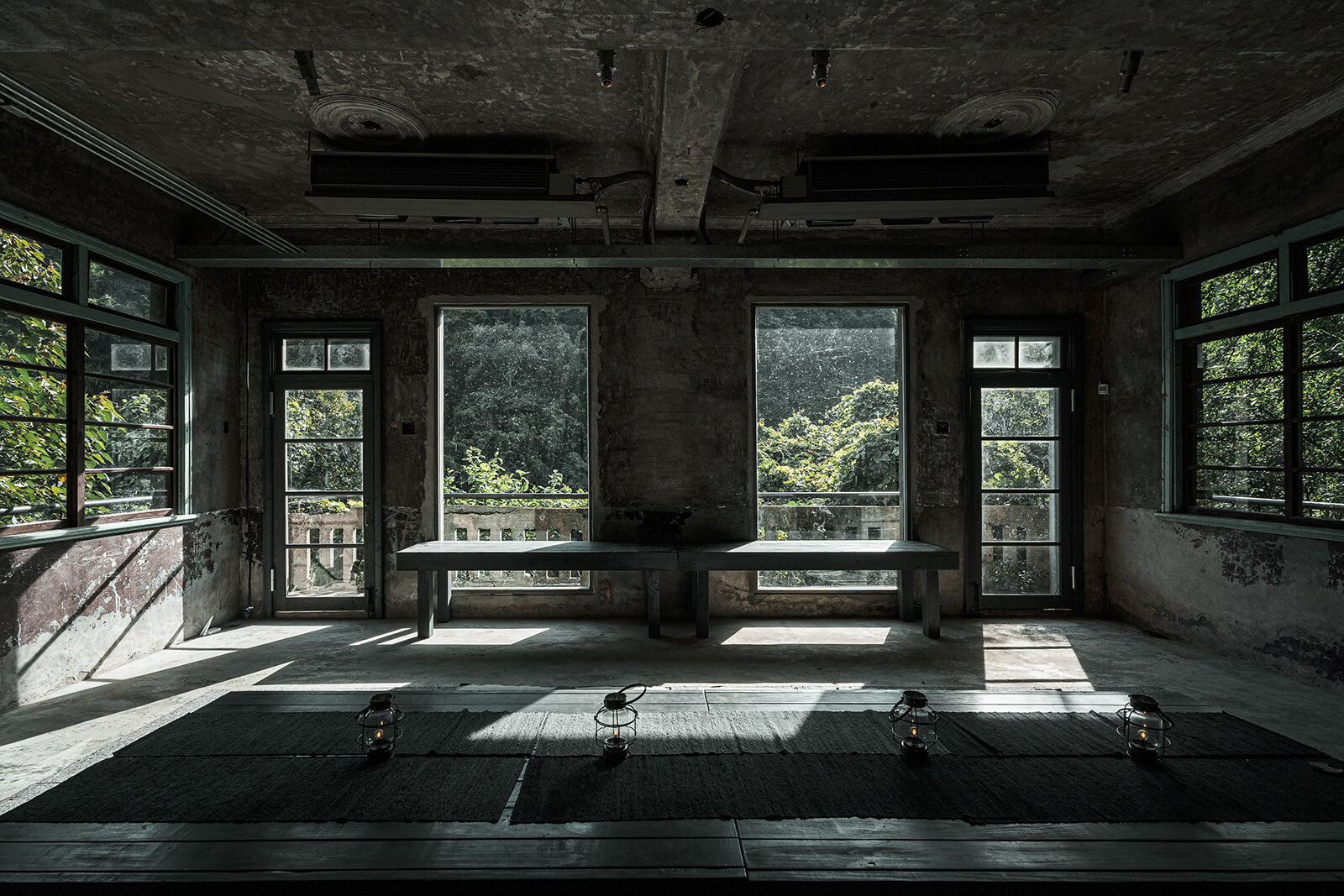
What’s perhaps most alluring about the project here is the treatment of its interior design which makes it seem deliberately unfinished, a permanent ruin in a way. From exposed reinforcements that divide an otherwise double-height space in the
Read More: Transforming a former mining facility into a Mineless Heritage Restoration