


Saudi Aramco, the world’s largest oil and gas company by market capitalisation, will leverage its conventional oil supplier ties with China to jointly develop clean energy technologies and help Beijing accomplish its carbon neutral goal by 2060.
Aramco has been supplying China with crude oil since 1991, according to its website. China imported 86 million tonnes of crude oil from Saudi Arabia last year, or 15.2 per cent of its total imports of 564 million tonnes, according to China Customs data.
“We are developing innovative technologies that can reduce greenhouse gas emissions, like blue hydrogen, electro-fuels, and carbon capture and storage – all while strengthening our existing oil and gas production capacity,” Mohammed Y Al-Qahtani, Saudi Aramco’s downstream president told the SCMP China Conference via video-link on Thursday.
“Blue” hydrogen is made from natural gas, with the carbon emissions extracted and stored where it is made. It is a greener alternative to the vast majority of the hydrogen currently produced from fossil fuel without emissions mitigation.
Electro-fuels, or e-fuels, are manufactured by reacting carbon dioxide captured at factories with “green” hydrogen obtained by using renewable energy to split water into oxygen and hydrogen.
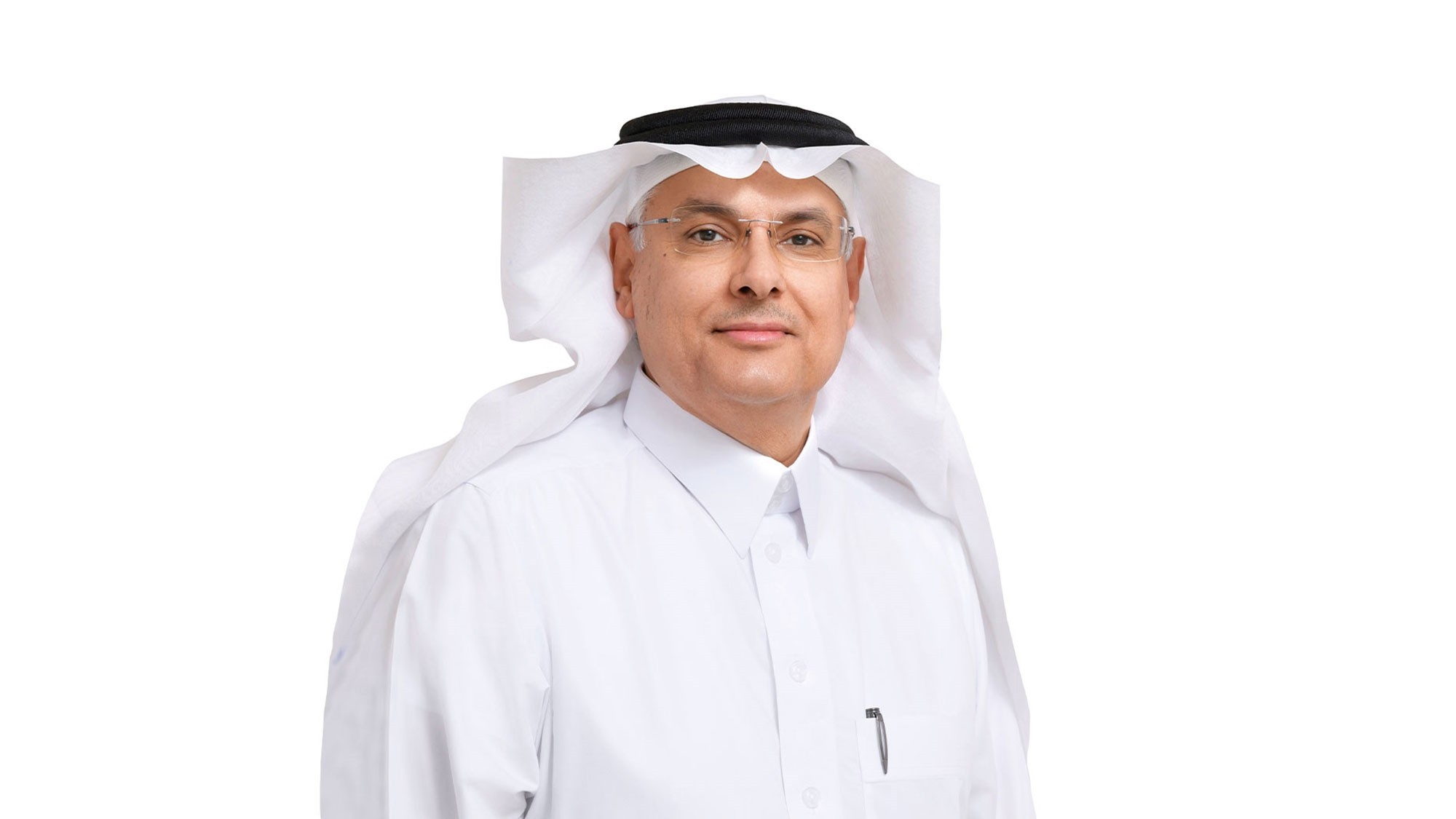
The state-backed energy behemoth has developed various low-carbon energy technologies, which Al-Qahtani said will be supplied to China in a strategy which “can bring results tomorrow”.
Aramco has been supporting China’s economic development by co-investing in oil refining and petrochemical plants on the mainland, which accounts for around 40 per cent of global petrochemical sales, Al-Qahtani noted.
Through partnerships with companies like Rongsheng Petrochemicals, Aramco is supplying hundreds of thousands of barrels of oil per day to be converted into chemicals used in a wide array of manufacturing industries such as automobiles, garments and construction materials, he added.
In March last year, a joint venture, Huajin Aramco Petrochemical, which is 30 per cent owned by Aramco, 51 per cent by Norinco Group and 19 per cent by Panjin Xincheng Industrial Group, began building a major plant in Panjin, northeast China.
It will combine a 300,000 barrel-a-day refinery with a petrochemical plant with annual production capacity of 1.65 million metric tons of ethylene and 2 million metric tons of paraxylene.
Last February, a joint venture between Aramco’s subsidiary SABIC and Fujian Energy and Petrochemical Group broke ground on a US$6.4 billion plant that will have 1.8 million tonnes of ethylene annual capacity when commissioned in the second-half of 2026.
In 2022, Aramco formed a partnership with the China Building Materials Academy to launch a nonmetallic excellence and innovation centre called Nexcel. It was to advance the use of non-metallic materials in the building and construction sector which can help reduce greenhouse gas emissions in the building and construction industry.
“This pioneering initiative can pave the way for other collaborations in areas that further expand the horizon of our partnerships in China – including, potentially, in areas like wind and solar,” Al-Qahtani said.
Read More: Saudi Aramco reiterates oil-based ties, support for China’s clean energy rollout