


Cabinet spokesman Chen Shih-kai said the timing of the request “will depend on the president’s promulgation of the laws”.
Observers warned that the confrontation would not only significantly affect the administration of the new Taiwanese leader William Lai Ching-te, but also his popularity.
Anticipating defeat, DPP lawmakers had already vowed to take the case to the island’s constitutional court, promising to seek a ruling from the grand justices on whether the bills violate the constitution.
The reform bills give lawmakers greater oversight powers of the executive branch, including an expansion of their investigative authority, that would operate in a similar way to the US Congress.
Public officials and civil servants who refuse to provide information when questioned by lawmakers, or who make false statements in hearings, would be committing a “contempt of the legislature” and subject to a fine of up to NT$200,000 (US$6,170).
The laws also empower legislators to request information and documents from government agencies, the military, legal entities, associations, or other relevant individuals.
Failure to comply could result in fines of up to NT$100,000 (US$3,000), with the same penalty applied to delayed responses or intentional concealment of pertinent information.
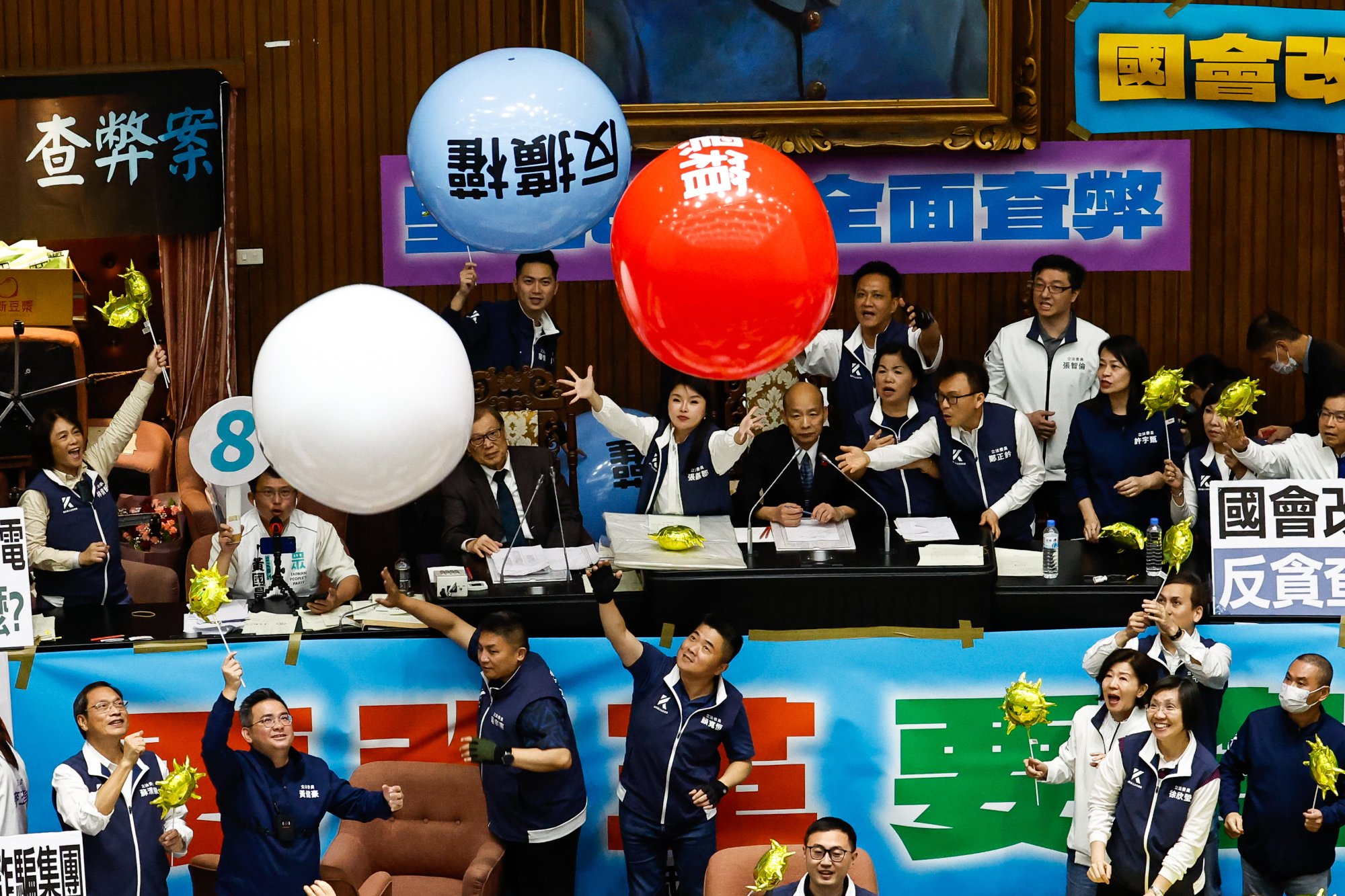
The legislation requires the president to deliver an annual address on the state of the island each year before March 1 and respond to lawmakers’ questions. It also mandates that appointments to key government positions be made through open ballots.
Although parts of the legislation, including the expanded oversight powers, were proposed and supported by prominent DPP lawmakers when they were in opposition, the cabinet argues that it would undermine its administrative operations.
In a legislative meeting on Thursday, Cho Jung-tai, the Taiwanese premier, branded the reform as a “serious exploitation of power” by the opposition, saying the cabinet had no choice but to veto the entire package.
Cho insisted that the legislation violates the constitution by requiring the president to report to the legislature annually and answer questions., describing it as a “governance disruption” and proposing that it be reconsidered.
He also criticised the opposition lawmakers, accusing them of overstepping their boundaries and infringing on executive, judicial, and oversight authorities, as well as the basic rights of the public.
The opposition argues that the DPP’s complete control over the government and the legislature for the past eight years has seen it evolve into a “power monster that dictates everything in Taiwan” without any legislative oversight.
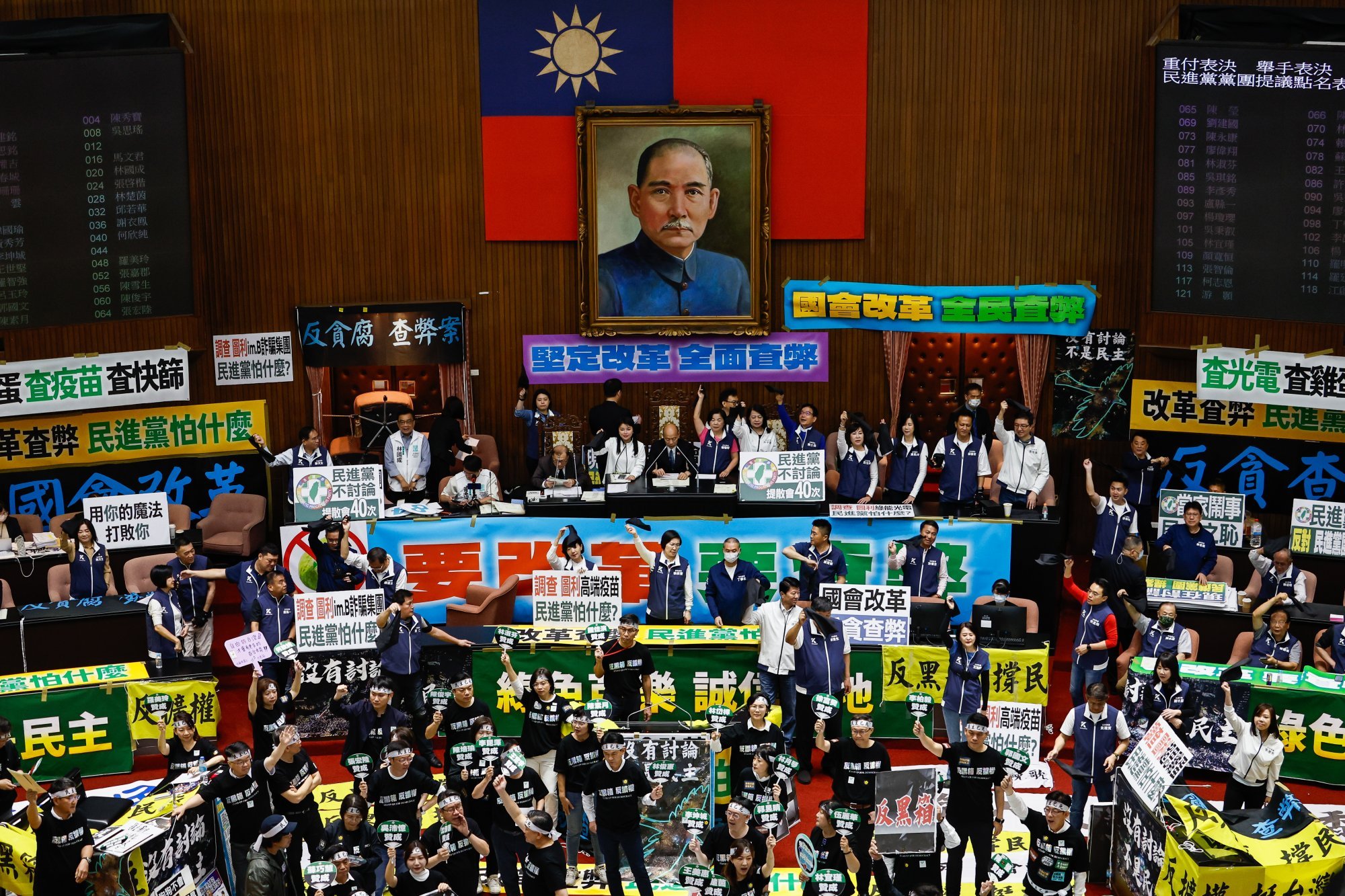
Observers expect the island’s political divide to intensify as the DPP government finds itself drawn into escalating conflicts with the opposition-dominated legislature.
Huang Huei-hua, head of research at the Taiwan International Strategic Study Society think tank in Taipei, said the veto was “an attempt … to undermine the legislature’s authority by bypassing the checks and balances of the parliament”.
The Lai administration has used seven arguments to contest the bills, characterising them as “immoral and unconstitutional.” The opposition maintains it is legitimate to enact laws reinforcing legislative oversight over the government, she said.
In a bid to sway public perceptions, pro-DPP media figures are assertively voicing their perspectives on media platforms, instilling fear about potential penalties against ordinary people should the legislation be enacted, according to Huang.
“This political struggle has escalated into a media war of propaganda and psychological tactics, which is contributing to an atmosphere of insecurity in Taiwan,” she lamented.
“Both camps are disseminating information to fortify their positions and rallying their supporters to protest.”
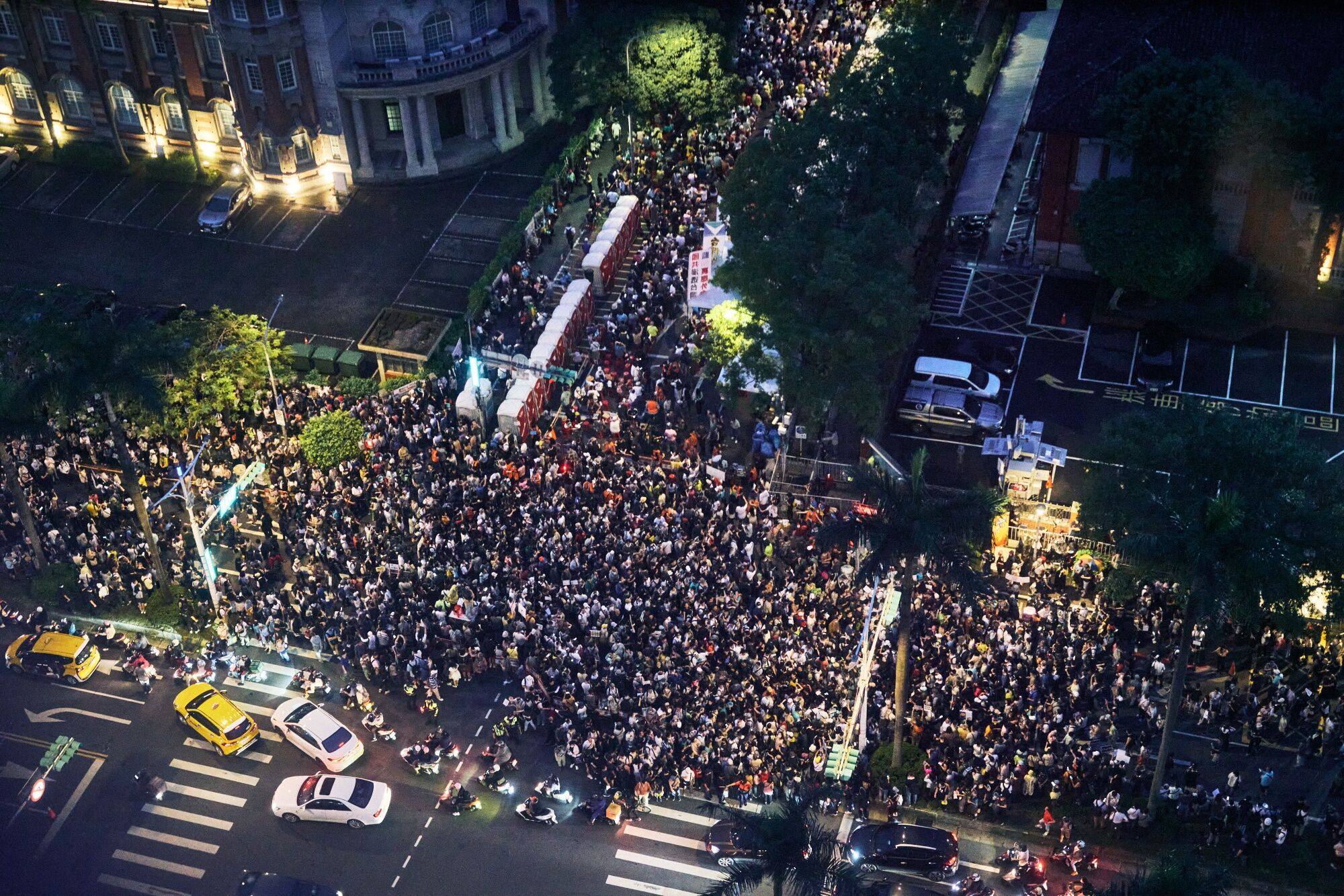
Since the bills were introduced last month, supporters of both sides have been rallying outside the parliament and demonstrating in the streets, leading to even greater division.
Lai’s approval rating has seen a nearly 10-point drop since he took office in May, with the Taiwan Public Opinion Foundation’s most recent poll on Monday showing a dip to 48.2 per cent – down from…
Read More: Political clashes, living pressures crash Taiwanese leader Lai’s ratings