


GILPIN AND CLEAR CREEK COUNTIES – The Colorado Department of Public Health and Environment (CDPHE) and Environmental Protection Agency (EPA) held a fourth meeting on October 3, 2024, on the status
of cleaning up the Central City-Clear Creek Superfund site, at the Gilpin County Courthouse in
Central City.
CDPHE Communication Specialist Branden Ingersoll acted as the moderator for the
meeting, which included representatives and presentations from both CDPHE and the EPA.
The agencies are still evaluating the data from testing mining waste piles in 2022 and
2023, and they continue to work though technical issues before finalizing their Feasibility Study
and proposed plan. The CDPHE project lead for this phase, Kyle Sandor, continued to express
optimism that remediation projects on residential properties would start in the summer of 2025.
Ingersoll spoke about how the superfund site was established and the different methods
that can be used to remediate a mining waste pile. There was an extended question and answer
session after Ingersoll’s presentation.
The first designated superfund site was the Love Canal in Niagara Falls, New York, after
the discovery in the late 1970s that 22,000 tons of hazardous waste had seeped into basements
and backyards causing birth defects and cancer.
The massive cleanup and investment required for the project led to the Comprehensive
Environmental Response, Compensation, and Liability Act (CERCLA), which was signed into
law in December of 1980. CERCLA provided federal funding to clean up toxic sites, which
subsequently became known as Superfund sites.
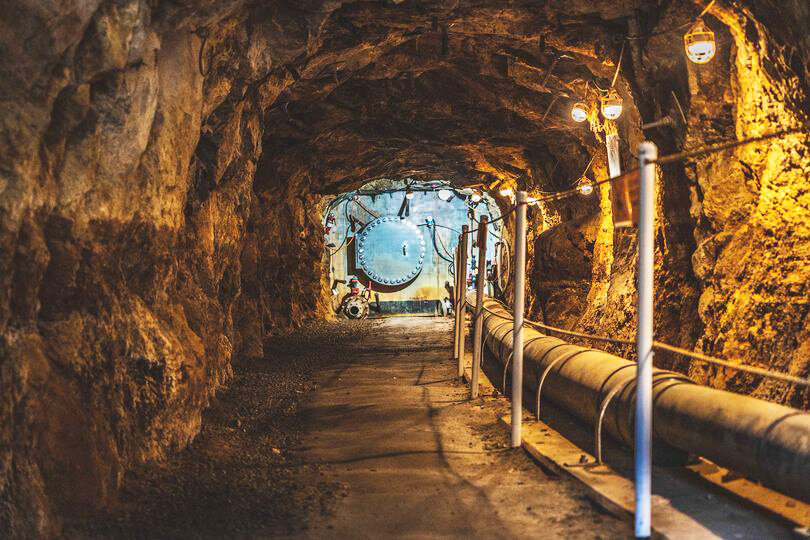
In 1983, the EPA recognized that the drainage of contaminated water from five mining
tunnels (Argo, Big Five, National, Gregory Incline, Quartz Hill) flowing into Clear Creek posed
a risk to the environment and human health, so the entire Clear Creek drainage was designated as
a superfund site that year. The Argo mine also had part of a mine tailing waste pile actually in
Clear Creek.
The Gold King mine spill in 2015 exemplifies the dangers of mine tunnel discharge.
About three million gallons of contaminated water was released into the Animas River in
Silverton, turning the river yellow, killing fish, and endangering drinking water for Durango.
Early remediation efforts here focused on stopping the discharge of contaminated water
from the tunnels, building water filtration plants, and excavating the Argo mill tailings in Clear
Creek. The water filtration plant on North Clear Creek below Black Hawk handles tunnel
discharge that gets piped to North Clear Creek.
Ingersoll finished his presentation by providing a review of the different remediation
methods that are used to clean up contaminated sites. Any or all of these methods can be used for
remediating a mining waste pile on residential property, depending on the engineering
interventions required.
The first method is called Capping. The area above the Triangle Lot in Central City is an
example of capping. This is the process of covering contaminated material with a variety of
materials in order to prevent the contaminants from being spread into the environment via
rainwater, snowmelt, or other forms of transport. Caps can include concrete, clay, asphalt, and
vegetation.
Excavation is the physical removal of contaminated materials and relocating them to
another site, called a repository. Excavation is required when there are significantly elevated
contaminant concentrations and immediate action is needed. Clean material is then brought in
and replaces the contaminated material that has been removed.
Repositories are places that are purchased for the sole purpose of storing contaminated
material. The Church Placer Repository is centrally located in Gilpin County north of Idaho
Springs. Contaminated material is placed in trenches or cells which are designed to prevent
leakage or dispersal and are then capped and revegetated.
The third method that Ingersoll described is call In-Situ Treatment, which is an in-place
treatment. This method involves the addition of amendments to the soil, like limestone, to
neutralize soil acidity and promote vegetative growth that limits contact with mine waste. The
In-Situ method is used when excavation near a building could risk undermining its foundation.
Sandor reiterated that CDPHE was working to get real estate experts to attend future
meetings to answer questions about buying and selling properties which have been designated
for cleanup.
A recording of the meeting, including the PowerPoint slides, can be found at the CDPHE
website (cdphe.colorado.gov/hm/central-city-clear-creek). It is the October 3, 2024 meeting
recording under Presentations.
For more information about the Central City-Clear Creek Superfund OU5 project,…