


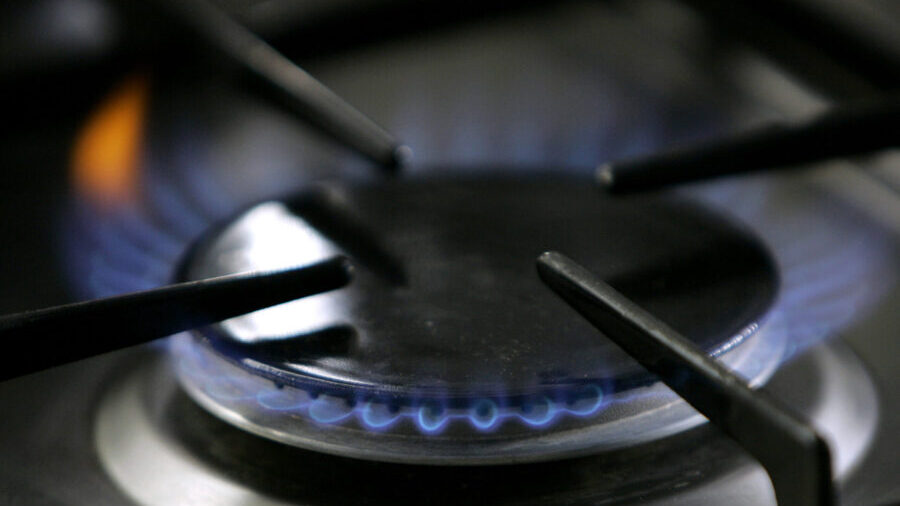
A bill that would ban natural gas lines in most new construction in Washington has passed the state House — but a version being considered in the state Senate includes some major changes. House Bill 1589 would ban any gas company that serves more than 500,000 customers — specifically, Puget Sound Energy (PSE) — from connecting new natural gas line hookups to new residential or commercial buildings — with limited exemptions for certain manufacturing, medical care, correctional, and military facilities. (A PDF of a version of the House bill can be viewed here.)
The ban would take effect immediately if passed and apply to anyone who didn’t apply for a gas line permit before June 30, 2023.
Additionally, PSE would also no longer be required to provide natural gas service to existing customers, which state law currently mandates. This raised alarm among lawmakers and consumers, with some asking if they should be preparing to lose their access to natural gas.
While the measure passed through the House 52-45 on Monday, it appears to be facing an uphill battle in the state Senate. Democratic Sen. Joe Nguyen, D-White Center, proposed a different version. Portions removed include the ban on natural gas lines in new construction and the section eliminating Puget Sound Energy’s legal obligation to provide natural gas service upon request by a customer.
Previous coverage: Bill to ban natural gas lines revived, passes in Washington House
What’s in the bill now?
While the bill takes out some of the more stringent bans, it adds a few new regulations that could impact consumers down the road. Those include:
- PSE or any other large combination utility company won’t offer rebates or any other kind of incentive to residential gas customers to purchase any natural gas appliance or equipment starting in 2025. Commercial and industrial gas customers can still get rebates until 2031.
- Companies may offer rebates and incentives for electric heat pumps that include natural gas backups until Jan. 1, 2031.
- PSE must initiate and maintain an effort to educate its ratepayers about the benefits of electrification by Nov. 1, 2025.
Ultimately, what remains in the Senate bill has a larger impact on Puget Sound Energy’s business operations than it does a consumer.
“Currently, we plan for the electric business and for the gas business as if they’re two completely different businesses,” said Matt Steuerwalt, PSE’s senior vice president for external affairs. “This bill would give us some tools to do some planning for the future where we can try to understand what our customers really want. And how to meet that obligation as an energy company.”
According to PSE, the path to decarbonization is happening in many ways — including conservation, decarbonization studies, pilot programs, and exploration and acquisition of alternative fuels, like renewable natural gas and hydrogen.
Washington climate goals clash with natural gas
No matter what happens with the bill, PSE will have to reduce its natural gas output over time as the state transitions to 100% clean energy in the next few years.
Put simply, residents burn a lot of carbon to heat their homes, cook their food and bathe. In 2019, Washington reported residential, commercial and industrial heating accounted for 25.3 million metric tons of the state’s net greenhouse gas emissions. That’s about 25 percent of the state’s emissions and is equivalent to what more than 5.4 million gas-powered vehicles produce in one year.
Lawmakers took action, passing the Clean Energy Transformation Act in 2019. Among other things, it requires Washington’s electric utilities to eliminate carbon emissions from their energy resources by 2045.
Add to that the Climate Commitment Act, passed by the legislature in 2021, which legally requires the state to become carbon-neutral by 2050. According to the Washington State Department of Commerce, to meet the state’s greenhouse gas reduction limits, emissions from gas in buildings must decline 14% by 2030 and continue to decline at an increasing rate through 2050.
“The state has really ambitious clean energy requirements. We need as a utility, some better tools to make sure we can get there,” Steuerwalt said. “This bill will allow us to figure out how to plan for a future where we have these really ambitious climate targets, and we have customers who want safe, affordable, reliable and green energy supply.”
More from Kate Stone: New bill mandates transparency for Puget Sound Energy customers
What happens now?
The Senate version of the bill is set for a hearing Wednesday. If the Senate and House versions of the bill do not match, the two sides will meet to attempt to iron out a final version.
If a version of…
Read More: Limits on natural gas may get stripped out of new state bill