


The leader of Hamas, Yahya Sinwar, has become fatalistic after nearly a year of war in Gaza and is determined to see Israel embroiled in a wider regional conflict, U.S. officials said.
Mr. Sinwar has long believed he will not survive the war, a view that has hindered negotiations to secure the release of hostages seized by his group in the Oct. 7 attacks in Israel, according to U.S. intelligence assessments.
His attitude has hardened in recent weeks, U.S. officials say, and American negotiators now believe that Hamas has no intention of reaching a deal with Israel.
Prime Minister Benjamin Netanyahu of Israel has also rejected proposals in the negotiations and added positions that have complicated the talks. U.S. officials assess that he is mainly concerned about his political survival and might not think a cease-fire in Gaza is in his interests.
Hamas has shown no desire at all to engage in talks in recent weeks, U.S. officials say. They suspect that Mr. Sinwar has grown more resigned as Israeli forces pursue him and talk about closing in on him.
A larger war that puts pressure on Israel and its military would, in Mr. Sinwar’s assessment, force them to scale back operations in Gaza, the U.S. officials said.
The war in the region has widened, but not in ways that have meaningfully benefited Hamas, at least not yet.
Immediately after Oct. 7, Hezbollah began carrying out strikes in northern Israel in a show of solidarity with Hamas. While the attacks drove Israelis from their homes, they did not put pressure on the military. Hezbollah’s leaders did not want to start a new war with Israel, U.S. officials assessed at the time.
Since the Israeli campaign against Hezbollah began last month, the group has not launched a major counterattack on Israel, much less opened an offensive front. Israeli and U.S. officials say Israel has destroyed half of the militia’s arsenal and killed many of its leaders.
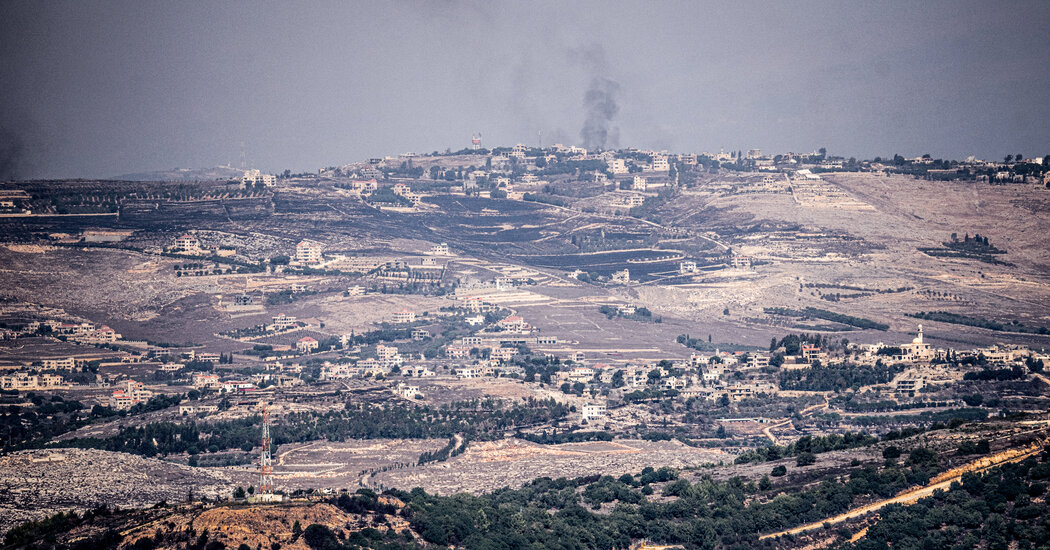
Israeli troops moved into southern Lebanon this week, after a nearly monthlong bombing and sabotage campaign that included a strike that killed Hassan Nasrallah, the leader of Hezbollah.
Iran, which backs Hezbollah and Hamas, unleashed a missile barrage against Israel on Tuesday in response to the killing of Mr. Nasrallah. But most of the missiles were shot down or failed to do any real damage.
The failure of Hezbollah or Iran to meaningfully damage Israel, at least so far, is a telling sign of Mr. Sinwar’s miscalculation, American officials said.
Isolated and in hiding in Gaza, Mr. Sinwar’s communication with his organization has become strained. He stopped using electronic devices long ago and stays in touch with his organization through a network of human couriers, according to Israeli and American officials.
The pace of Israeli operations in Gaza has slowed, as Israeli leaders have shifted their attention to the north. Israeli forces are now in just a few positions in Gaza, including what they call the Philadelphi Corridor between the enclave and Egypt. While Israel has not launched a major raid into civilian areas of Gaza for weeks, it still conducts daily airstrikes targeting Hamas.
As a result, the toll on civilians in Gaza continues. In a 24-hour stretch on Wednesday and Thursday, the Israeli military killed 99 Palestinians in the enclave, local health officials said, one of the highest death tolls in months.
Talks to broker a cease-fire in Gaza and release the Israeli hostages have broken down. Mr. Netanyahu has added demands and revived some that had previously been dropped, frustrating international negotiators. And Mr. Sinwar has become far more inflexible, U.S. officials say.
His actions and motivations have long been a focus of the American intelligence community. But after Oct. 7, the spy agencies intensified their work on the Hamas leader, forming a targeting cell to study and hunt him.
For months, intelligence agencies have assessed that Mr. Sinwar has a fatalistic attitude and cares more about inflicting pain on Israelis than helping Palestinians. U.S. officials will not discuss their recent intelligence collection on him, but the view that his attitude is hardening comes from officials studying his negotiating stances and classified reports.
Mr. Sinwar’s position stiffened this summer after Israel assassinated Ismail Haniyeh, the political leader of Hamas based in Qatar and one of the chief negotiators. Mr. Haniyeh was a…
Read More: Israel Strikes Across Lebanon as Attacks Against Hezbollah Expand: Live Updates