


This article was produced in partnership with the non-profit newsroom Type Investigations, with support from the Wayne Barrett Project.
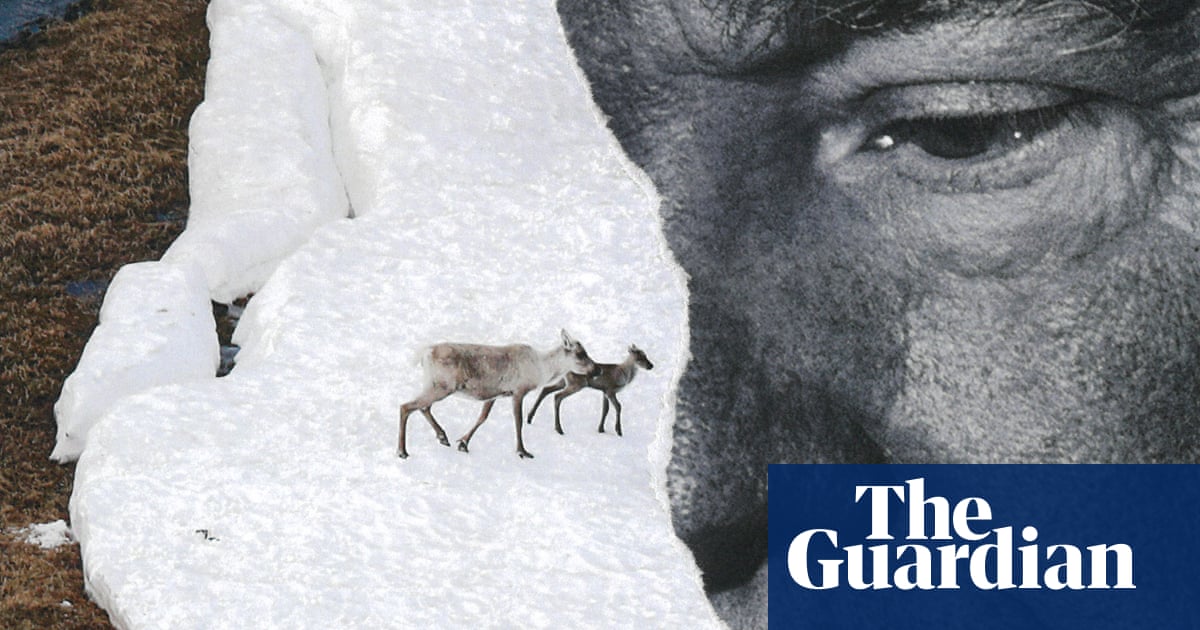
Imagine, for a moment, oil and gas infrastructure carving up Alaska’s far northern tundra, a refuge for migrating caribou and polar bears. Copper-nickel mines on the doorstep of one of the largest wilderness areas east of the Rockies, a nearly 1.1m-acre (450,000-hectare) expanse of pristine lakes and forests full of loons, wolves and moose. Or uranium and coal exploration in once-protected landscapes, including areas bordering the Grand Canyon.
If Donald Trump wins the US presidential election in November, these projects will probably be on the table as part of an energy-dominance agenda focused on resource extraction. “We will drill, baby, drill,” Trump said in July as he officially accepted the Republican nomination at the party’s national convention in Milwaukee.
Indeed, early plans suggest that Trump aims to radically remake the Department of the Interior, which oversees more than 500m acres (200m hectares) of public lands, manages the country’s national parks and wildlife refuges, and is responsible for protecting endangered species. Whereas Joe Biden made safeguarding public lands and the transition to green energy a centerpiece of his time in office, Trump and his allies would reverse many of Biden’s policies, remake the civil service and implement a new agenda focused on slashing regulations, weakening environmental protections, and expanding oil and gas development across the American west.
One of the figures involved in crafting this vision is Daniel Jorjani, who served as the top solicitor at the interior department during Trump’s term, according to two sources who have spoken with Jorjani recently. A lawyer who formerly worked for the organizations affiliated with the conservative mega-donors Charles and David Koch, Jorjani currently serves as chief operating officer and principal deputy general counsel for the far-right advocacy group Citizens United, whose president, David Bossie, was Trump’s deputy campaign manager in 2016.
Lynn Scarlett, who served as deputy secretary of the interior under George W Bush, said Jorjani, who was her chief of staff, was “working on interior policy issues as part of the Trump team”.
In a recent post on his LinkedIn profile, Jorjani said he was part of the “Trump Campaign Legal Team” at the convention, where he was involved in advancing the Republican party’s platform, which promised to “unleash American Energy”. (He later clarified that his work at the convention was done “in a personal capacity”.) He was also recently appointed to the state air pollution control board in Virginia, and one of the sources speculated that he could be tapped for a top position at the Environmental Protection Agency (EPA) or the White House Council on Environmental Quality in a future Trump administration.
Jorjani did not respond to requests for comment, including questions about his relationship with the Trump campaign and his potential roles if Trump retakes the White House.
What exactly do Jorjani and other Trump supporters hope to do if Trump retakes the White House? Trump’s official campaign platform, known as Agenda 47, is vague. But conservative allies have drafted detailed plans to abolish or dismantle scientific research divisions within multiple federal agencies, hobble decades-old environmental laws and repeal the federal Antiquities Act, which has been used by presidents since Theodore Roosevelt to designate large swaths of public land as national monuments, protecting them from development.
Read more from the series
Sensitive wildlands – such as the Boundary Waters Canoe Area wilderness in Minnesota, the Chaco Culture historic national park in New Mexico and the Arctic national wildlife refuge in Alaska, which was opened to oil and gas leasing during Trump’s first term – will also be under renewed threat from mining or oil and gas development. Meanwhile, imperiled species like grizzly bears and sage grouse will probably see their protections diminished or stripped away entirely.
“The playbook is basically rinse and repeat,” said David Hayes, who served as deputy secretary at the interior department under Barack Obama and Bill Clinton. “It is a completely backward-looking agenda.”
‘It’s scary how well-organized they are’
Jorjani is part of a larger constellation of conservative groups and political operatives angling…
Read More: If Trump wins the election, US parks and wildlife will face a new age of mining