


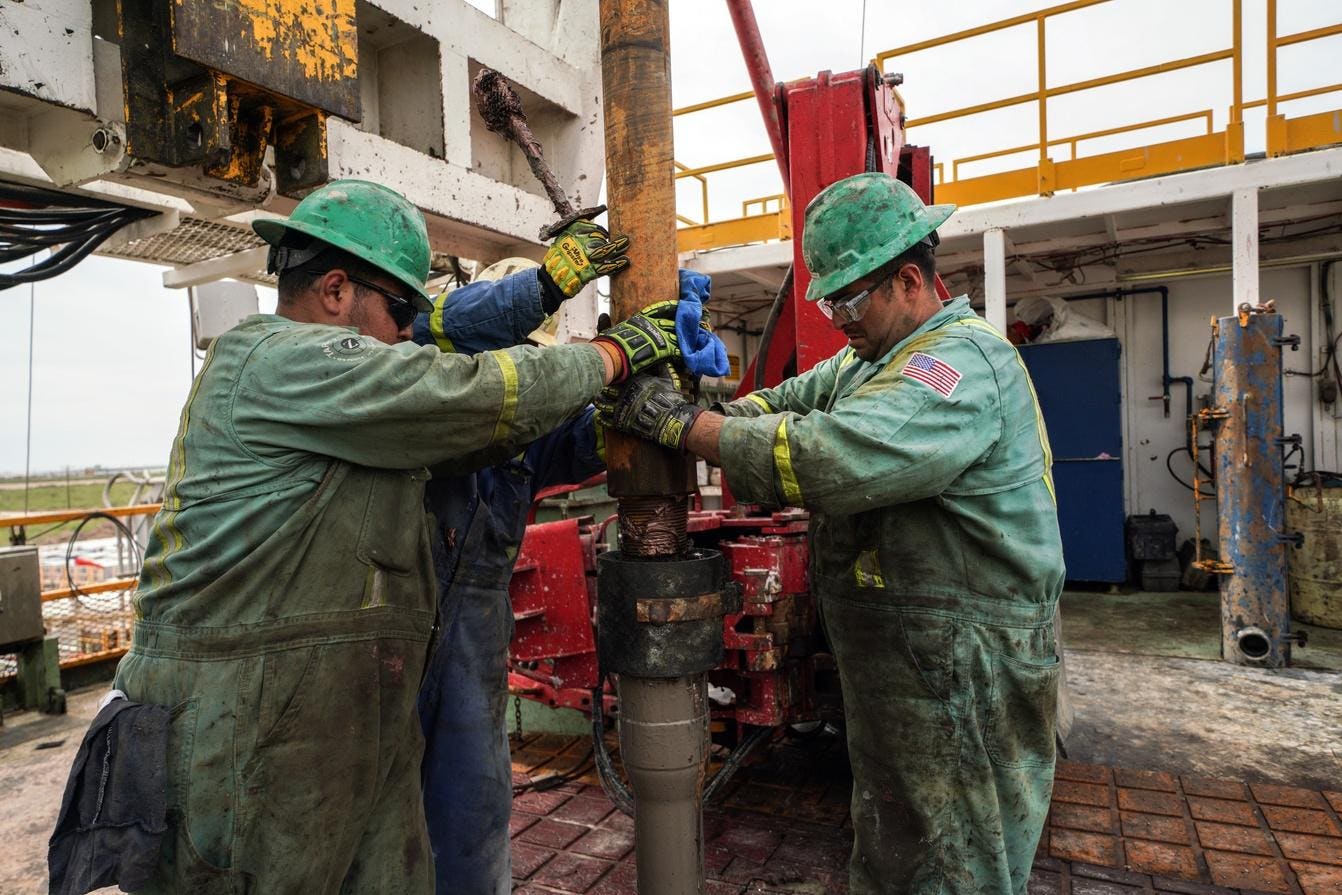
It is time to make my energy sector predictions for this year. The year promises to be challenging because there are more variables in play than normal. Russia’s ongoing invasion of Ukraine, the U.S. presidential elections, and the ongoing conflict in the Middle East are all factors that could have a major impact on the energy markets.
As always, I try to balance realistic predictions with those that are too obvious. I consider the discussion behind the predictions to be more important than the predictions themselves. That’s why I provide extensive background and reasoning behind all predictions. It provides additional context and often gives potential scenarios that could cause events to go in a different direction than expected.
With those factors in mind, below are my predictions for some of the significant energy trends I expect this year. I always strive to make predictions that are specific and measurable. At year’s end, there are specific metrics that will indicate whether a prediction was right or wrong.
1. Total U.S. oil production will again set a new annual production record.
Let me start with one that I think is easy. I made this prediction last year, and I felt it was aggressive. At the time I made it, I only felt like there was about a 50% chance of it happening. But a strong production surge in the second half of the year allowed U.S. oil producers to set a new production record by about mid-December.
We began 2023 with monthly oil production at 12.6 million barrels per day (BPD), which was short of the all-time monthly record of 13.0 million BPD. Current production is 13.25 million BPD, which is about 9.5% higher than it was a year ago. Thus, production could decline somewhat from here and still set an annual record.
The one thing arguing against a new record is that the number of rigs drilling for oil has now declined by nearly 20% from a year ago. In 2023, there had been a 27% increase from the previous year. A falling rig count will eventually impact production, but because of wells that were previously drilled but uncompleted (DUCs), it can take a while for rig count to negatively impact production.
I am betting that production won’t be significantly impacted in 2024 and that we see a new production record for the second straight year.
2. The daily average price of WTI in 2023 will be between $70/bbl and $75/bbl.
This one is tougher, but since oil is still the world’s most important commodity, I always predict the direction of oil prices. I make this prediction by looking at supply and demand trends, as well as inventory levels.
According to the Energy Information Administration, the average daily price of West Texas Intermediate for 2023 was $77.58/bbl, a bit lower than I predicted a year ago.
As I write this, the price of WTI is $72.68/bbl. The futures prices for oil this year trend slightly down over the year and are presently at $71.09/bbl for December 2024. Thus, the market isn’t currently expecting significant disruptions this year.
But things can change quickly in the oil markets. Saudi Arabia and Russia have been cutting production to prop up prices. I think both countries would like to see Donald Trump return to the White House, and one way to help him out would be for consumers to feel the pain of higher oil prices as the election approaches.
The Biden Administration has promised to refill the Strategic Petroleum Reserve, which it largely depleted in 2022 to tame oil prices. That would put upward pressure on oil prices, which is why I don’t think there will be a significant effort to refill it this year (next prediction). However the low level of the SPR is a bullish indicator, and it increases the upside risk in the oil markets.
Countering the upward pressure will be the ongoing expansion of U.S. oil production. That is the main factor that has prevented Saudi Arabia and its partners from significantly boosting oil prices.
Given all we know, I think the odds are that oil prices won’t change a lot in 2024, in either direction. I don’t think we will reach an average as high as last year’s, but I do think the yearly average will be a little higher than the current price. I don’t think we will veer too far from current prices on average.
3. The Biden Administration won’t replace more than 10% of the oil removed from the SPR since Biden was inaugurated.
The current level of the SPR is 287 million barrels lower than when President Biden was inaugurated. The SPR was utilized heavily in 2022 in an…
Read More: From Oil Production to Energy Policies, 2024 Energy Sector Predictions