


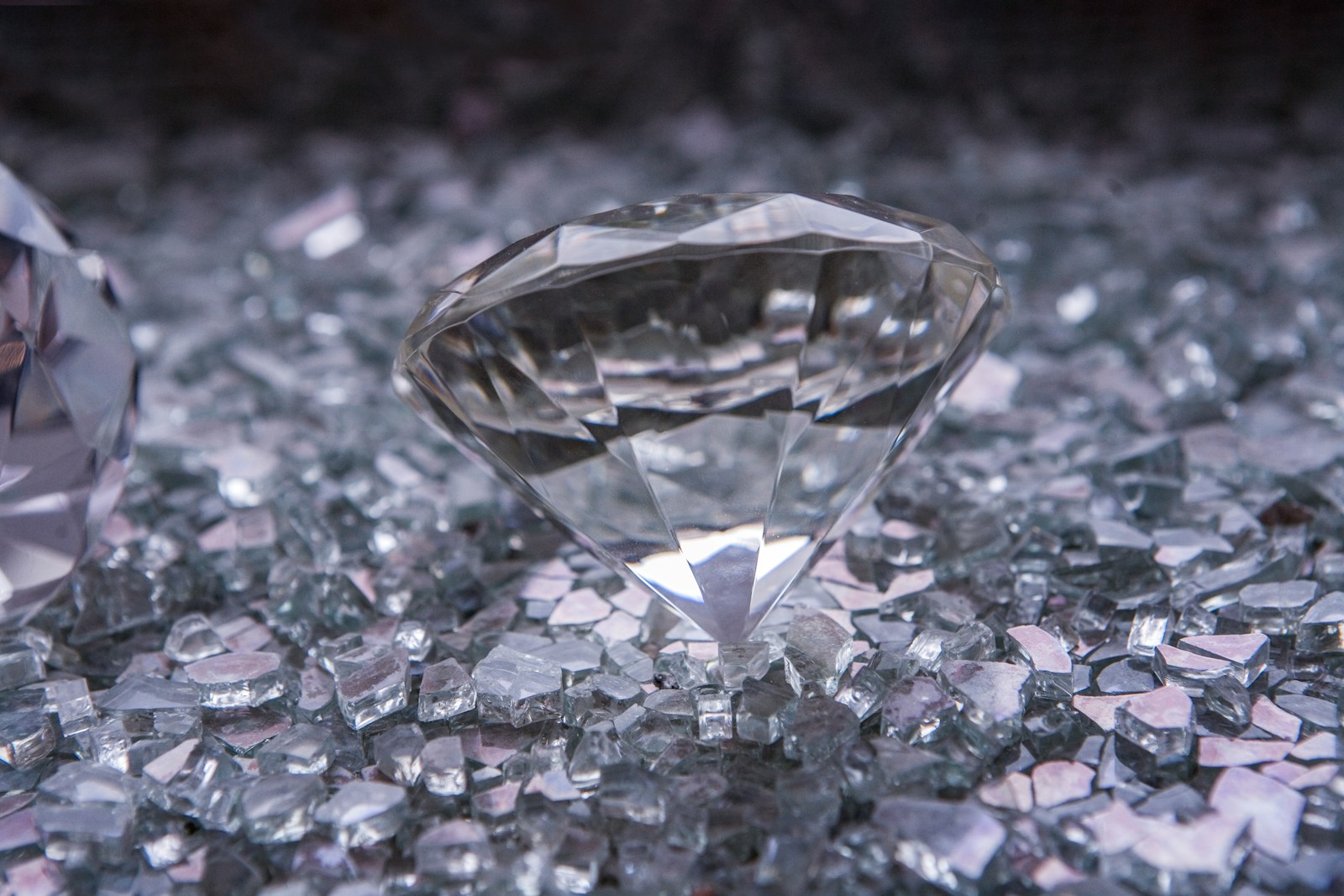
Natural diamond prices are on a downward spiral due to economic instability in key markets, particularly in the U.S. and China. The reasons? Economic factors such as rising interest rates and persistent inflation have impacted luxury goods sales in the U.S. Meanwhile, China’s real estate industry downturn has similarly affected diamond demand. Consequently, De Beers had to reduce the prices of its rough diamonds by 5% to 15% in July 2023 and by up to 25% more recently. The company’s year-over-year sales of rough diamonds dropped by an alarming 80% in October, partially due to the rise of more affordable synthetic stones.
Major diamond miners like Anglo-American-owned De Beers source rough stones, which are then sent to polishing facilities globally. After that, trading companies purchase these polished gems. However, this industry flow has been disrupted.
In mid-December 2023, the internationally recognized F-color, VS1-clarity diamond was valued at approximately $9,200 per carat, the lowest price on record since 2009. This pricing is indicative of a staggering 24% drop from the diamond’s value in August 2022. Currently, compare that to the average 1-carat lab diamond cost of roughly $1,290, according to the New York Post.
“According to The Economist in 2016, lab-grown diamonds will make up 75% of gem-grade diamonds by 2050. However, the market has grown 500% in the last four years, so I think recent numbers show us this might happen much sooner.”
Scott Thompson, founder of Carat, via Professional Jeweller
Lab-grown diamonds are almost indistinguishable from their natural counterparts to the untrained eye, but they are considerably cheaper. These diamonds are 60% to 85% less expensive than naturally mined ones, per London-based jeweler Queensmith, and they also resonate with environmentally conscious consumers. They are considered much gentler on the planet than mined diamonds due to the environmentally friendly production process, and they’re benefitting from increased consumer awareness and endorsement from leading gemological labs.
Lab-grown diamonds haven’t always been in the limelight, but today, they’re disrupting the jewelry industry. Introduced commercially in the 1980s, these man-made gems are created by applying intense heat and pressure to pure carbon. The resulting diamonds are virtually identical to traditional mined diamonds, making them an attractive option for budget-conscious customers.
For years, fans of mined diamonds scoffed at the idea of these alternative gems. Traditionally, jewelry was categorized based on the materials used and the price tags associated. Diamonds, regarded as the ultimate symbol of luxury, were ruled by boutique businesses or giant brands like Tiffany and Cartier.
While brands have tried to differentiate between the two types of diamonds, price points often decide for the consumer. For example, a diamond tennis bracelet from Tiffany can cost over $20,000, while a similar one with lab-grown diamonds from Brilliant Earth costs only $3,450.
Data from February 2022 revealed an 80% increase in lab-grown diamond sales compared to the previous year. In contrast, mined diamond sales witnessed a 13% reduction. It’s clear that the dynamics of the diamond market are shifting rapidly. From a mere 1.5% of diamond sales in the U.S. by specialty retailers back in 2018, lab-grown diamonds now command over 17% of the worldwide market, according to diamond research firm Edahn Golan. Furthermore, Axios reported that “about 63% of independent jewelers in the U.S. sell lab diamonds, which is up from 58% a year ago, according to a recent survey by trade publication InStore.”
As times change, the diamond market is evolving with its retailers. The Diamond District on 47th Street in New York is renowned for its expansive range of gem shops and appraisers. However, 40 blocks south, Pandora, the leading jewelry retailer, recently showcased an alternative vision for the diamond industry with its inventive lab-grown diamonds.
During New York Fashion Week last year, Pandora hosted a glamorous party on Astor Place, where the company unveiled what it called the “lab-grown diamond district.” Pandora, previously not identified much with diamonds, built its brand on charm bracelets priced below $100. However, the rising allure of lab-grown diamonds, identical to mined ones but significantly cheaper, has offered brands like Pandora the opportunity to venture into the diamond space. The lab-grown diamond sector has seen a surge in sales, with brands like Brilliant Earth and Dorsey reporting significant revenue increases.
This shift toward lab-grown diamonds is not just a trend. According to industry analyst Paul Zimnisky, sales of these…
Read More: How Will Natural Diamonds Adapt to the Synthetic Diamond Shift?