


The specter of climate change looms large over our planet, casting a long shadow on the future of communities across the globe. As we gather at the 29th United Nations Climate Change Conference (COP29) next month, the world’s nations stand at a crossroads between continued fossil fuel expansion and a just transition to a cleaner, more sustainable future to mitigate the worst effects of climate change. The choices we make today will determine the fate of our planet for generations to come. Among the most pressing issues on the table is the need to halt the expansion of offshore oil and gas drilling.
Offshore drilling is profitable for the gas and oil industry but is a risky business for climate-vulnerable nations like the Bahamas and Sénégal. While it may appear to be an economic boon for the people, this practice often exploits natural resources with disastrous consequences — from oil spills to exploratory activities that harm wildlife, as well as the inevitable acceleration of the climate crisis. The impacts can be devastating and compounding, affecting our oceans, marine ecosystems, and local economies, including fisheries and tourism.
Despite their geographic distance, government leaders from the Bahamas and Sénégal have an opportunity to set a positive example for other nations by halting the expansion of offshore oil and gas drilling in favor of protective policies that support safe energy solutions for coastal communities.
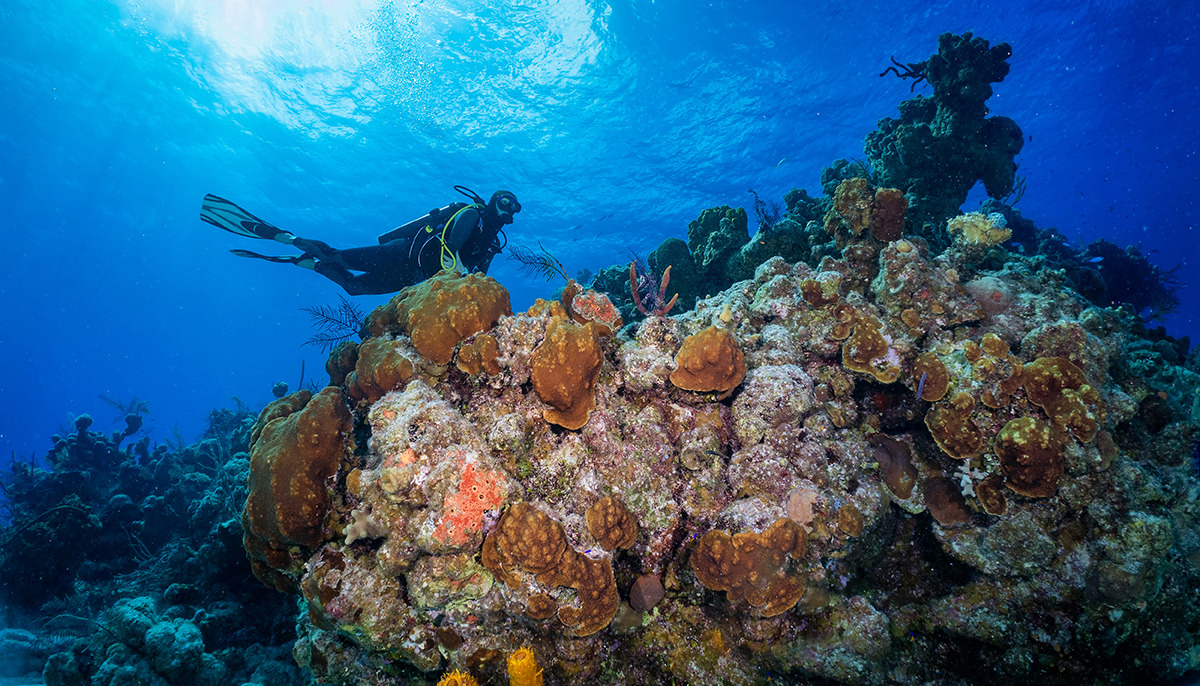
The Bahamian government has been considering the cost of allowing offshore oil drilling in its beautiful crystalline water for years. Nearly four million acres of its waters have already been opened to oil exploration, and the pressure to drill continues in spite of documented dangers. With tourism contributing over 50% of the Bahamas’ GDP and employing over half of the workforce, any activity that could hinder this vital industry poses a significant economic risk. Just one oil spill could tar its pristine beaches and marine ecosystems for years, as the oil takes time to break down, deterring tourists and leading to substantial economic losses that would be difficult to bear.
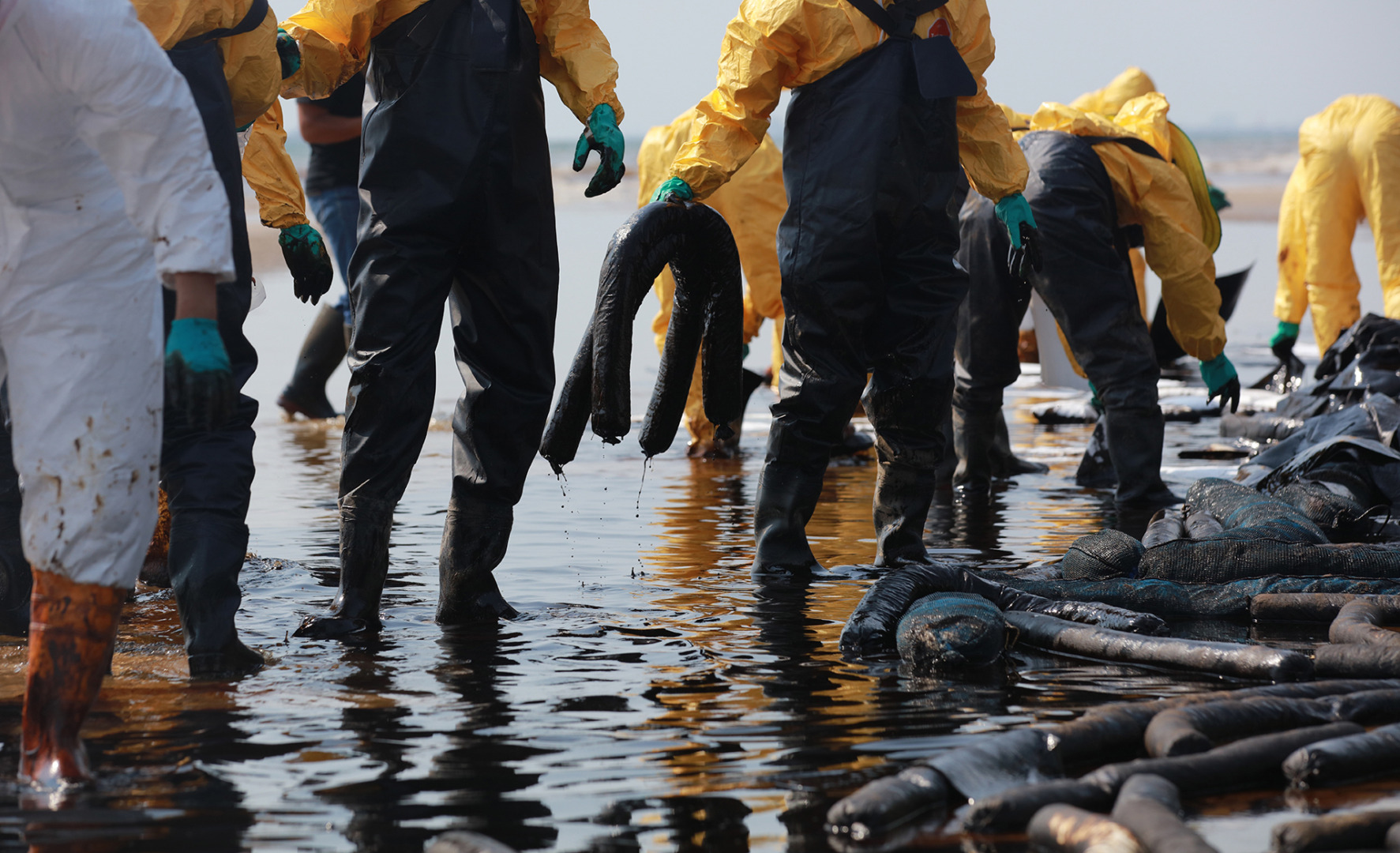
The Bahamian government lacks the infrastructural capacity to contain a major oil spill or to fund mitigation efforts for such a disaster. As a small island nation in a remote location, access to specialized equipment — such as oil skimmers and booms — is severely limited, hindering effective spill response. This often leads to smaller teams of first responders and fewer personnel with specialized knowledge in oil spill cleanup. The Bahamian government can learn from the experiences of neighboring Caribbean countries, such as Cuba and Haiti, which have faced significant challenges in responding to past oil spills due to limited resources and infrastructure.
A 2023 nationwide survey conducted by Our Islands, Our Future found that an overwhelming majority — 86% — of the Bahamian population are in favor of legislation to permanently halt all fossil fuel exploration in order to protect the country’s marine environment, coastal ecosystems, and tourism economy. The Bahamian government should heed this overwhelming public consensus and place a moratorium on existing license agreements and a permanent ban on offshore oil drilling in Bahamian waters.
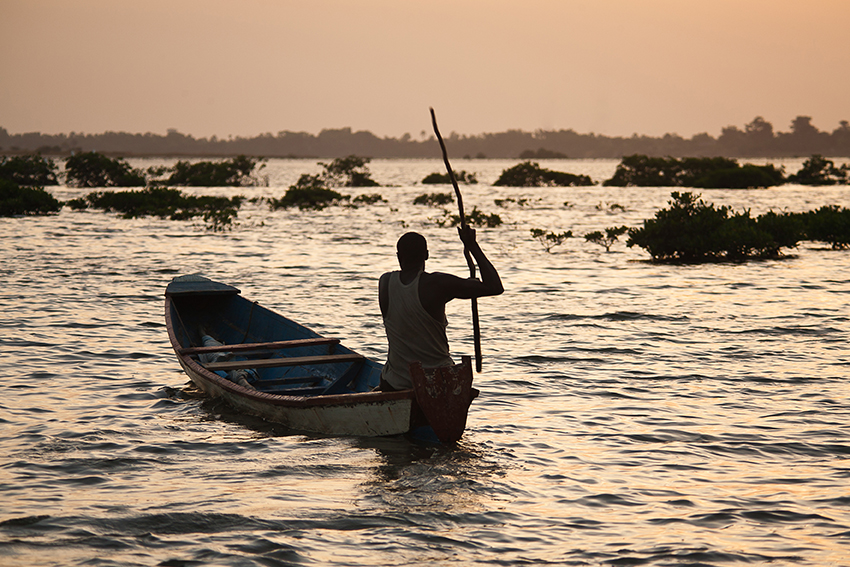
This year, foreign oil companies gained a foothold in Sénégal by beginning drilling off its coasts, despite the associated risks. Local communities cannot afford for this dangerous activity to spread any further. The country is inextricably linked to the sea — local fisheries support livelihoods in fishing and fish processing, which are vital for dietary needs and food security. The fishing sector employs 17% of the country’s working population and provides more than 40% of its animal protein. Artisanal fishermen in Sénégal catch approximately 90% of the fish harvested in the country.
The areas and communities around the Saloum River Delta in the Sangomar reserve are particularly vulnerable to oil development. An oil platform has been placed next to Saloum Delta National Park, a biodiversity hotspot crucial for artisanal fishing and a sustainable tourism economy. Instead of respecting and safeguarding these vital economic sectors, big oil executives are jeopardizing them with their drilling activities.
Read More: A Global Imperative: Moratorium on Offshore Oil and Gas Drilling