


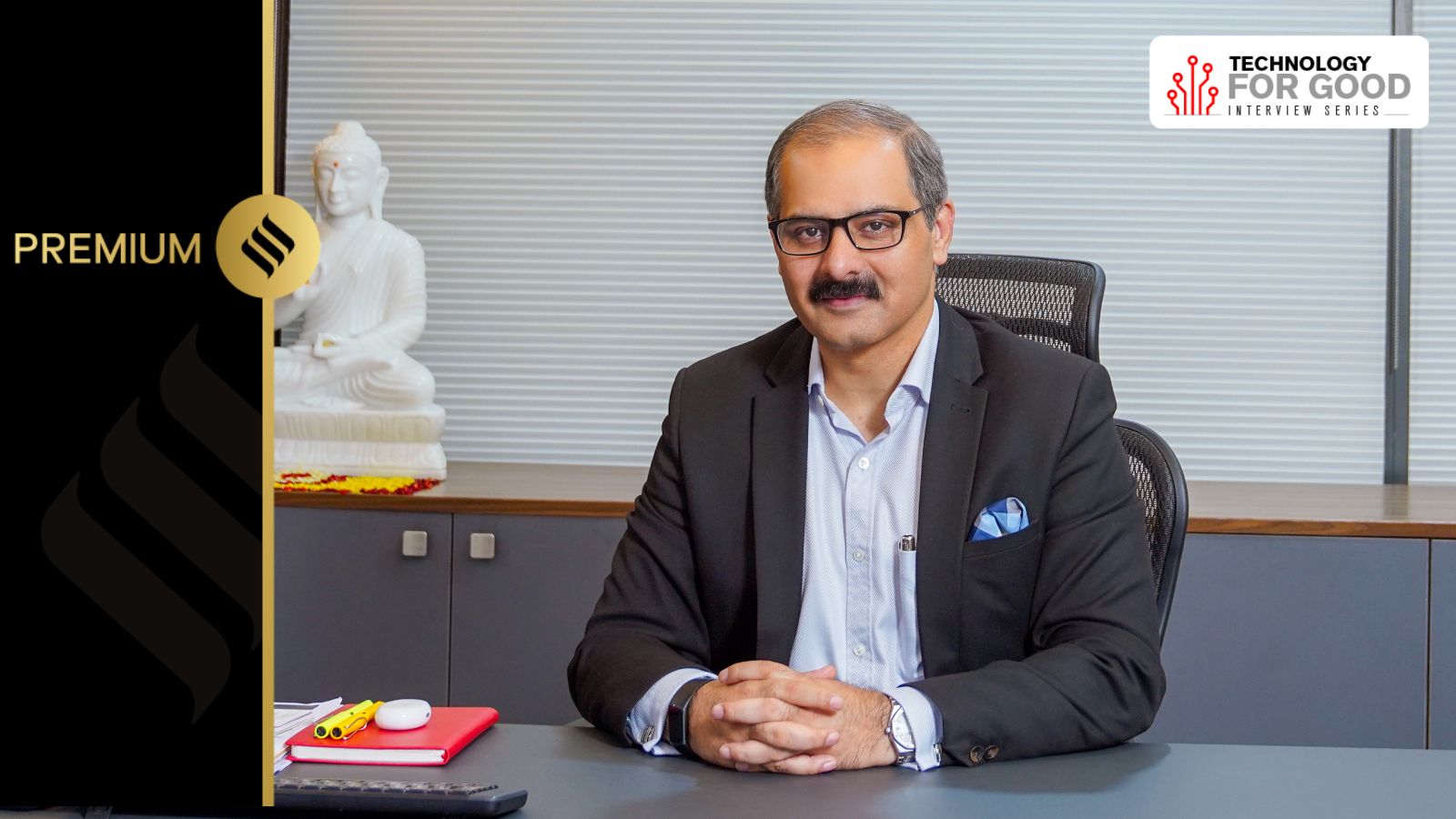
Masood Mallick is the Managing Director and Group CEO of Re Sustainability, Asia’s leading provider of integrated sustainability solutions for cities and industries.
Re Sustainability’s areas of operation include waste management including hazardous waste, municipal waste, bio-medical waste and e-waste, and is a leader in the waste-to-energy segment with more than 100 plants across the country. Re Sustainability has a global footprint, operating over 95 locations spread across India, Singapore, USA, and the Middle East.
Masood spoke to indianexpress.com on the growing challenge of e-waste in India, the tech and innovations that are changing the sector and the need for consumer gadget makers to build their products with a Right to Repair mindset. Edited excerpts:
Masood Mallick: Apart from substantive tech innovations in sectors like waste-to-energy, recovery of precious metals from waste, repurposing of sewage as water for industrial use, and the growing innovations in biodegradable plastics, there is a mindset change that is happening in the ‘waste’ industry.
Nowadays, there is a fundamental change in the definition of waste in the sector. Industry pundits now do not see it as waste, as a problem that needs to be solved somehow, but see it as a resource, as a feedstock and this has led to the trend towards newer waste-to-wealth and waste-to-worth interventions. Now the focus has turned to what value we can get from this ‘waste’ rather than putting it in, say a landfill, and hoping it would go away.
Even in waste, there is a hierarchy, based on what can be recovered. The lowest in the hierarchy is the construction and demolition waste, which is a huge problem across India and now there is tech to convert and recycle this waste into material that could be used in construction again. The highest in the waste hierarchy is electronic waste which is becoming a huge issue in India, and we have the only plant in India to recover precious metals from e-waste.
Venkatesh Kannaiah: On e-waste, what are the issues, challenges and opportunities for India? What role does the informal sector play in recycling?
Masood Mallick: The rate of growth of e-waste in India is mind boggling. Globally it is growing at three times the growth of population. You must understand that we in India are at the early stage of a consumerist lifestyle and with a growing economy and rising incomes, the problem is likely to grow exponentially. Earlier, we had radios or watches which worked for 30 years. Nowadays, electronics are being designed for a low lifespan. The average lifespan of electronic products and gadgets has declined and it is being designed for early obsolescence. Now, batteries cannot be removed from many gadgets, neither can they be replaced and hence all of it adds to the devices being thrown away. You might fondly remember your old Nokia phones where one could remove the battery with ease.
 Re Sustainability has a global footprint, operating over 95 locations spread across India, Singapore, USA, and the Middle East.
And what is inside this e-waste? Metals and minerals like copper, nickel, cobalt, and lithium which we import at huge cost and then throw away with the e-waste. It is such a huge foreign currency loss. And then we say we are recycling, but what we are doing is that we are downcycling, that is taking something which is worth Rs 100 and then recycling it to something that is worth Rs 50. Ideally, what we should do is upcycling, increasing its value, say from Rs 100 to Rs 150.
There is a huge informal sector in recycling and in due course they need to be integrated into the formal recycling network considering the safety and tech aspects. They should be made part of the larger value chain and should be made part of the circularity framework.
Right now, 80 per cent of the e-waste collection is from the informal sector while 20 per cent is from the formal sector. Here too there are players who claim to be part of the formal structure of recycling, but they too finally rely on the informal sector. The conditions of recycling in the informal sector are horrible and quite unhealthy.
It could be surprising for you, but until last year, to get precious metals from e-waste, we needed to send the waste to Germany or Japan or Belgium. Just imagine sending such work to such high cost economies and centres.
Venkatesh Kannaiah: Tell us about your efforts at precious metal recovery from e-waste?
Masood Mallick: Our plant in Hyderabad is in its first year of operation and we hope to recover precious metals like gold and silver from e-waste. We wanted to demonstrate that a world class plant could be built with this tech and sustained in India. After a great effort of recycling gold, silver or copper from e-waste, we need to…
Read More: Extracting gold and silver from e-waste now possible with Indian recycling tech: